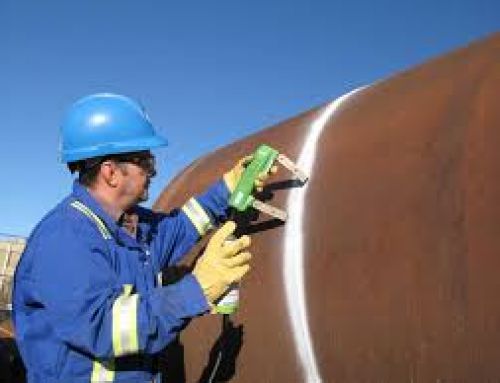
Fatigue defects are a common cause of failure of steel components that resist dynamic loads. For this reason, fitness for service assessments of such components nearly always include specific inspections that are designed to detect the presence of fatigue defects. Unfortunately, detecting the defects can be quite difficult. This is primarily because fatigue cracks are usually exceptionally thin, having measurable length and width but negligible thickness. As a result, even when a large fatigue defect extend
Source: NDT